-
Fisheries
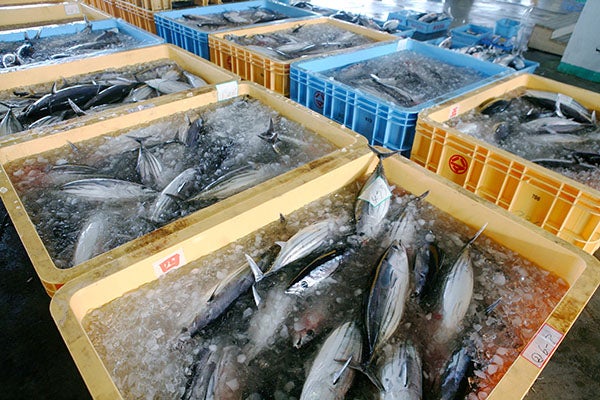
WHY FISHERIES? Fisheries technicians, biologists and management teams are continually working to make important decisions regarding how best to manage fisheries. Making scientific, research-based decisions on rearing and stocking fish, regulations for fishing the Great Lakes, inland lakes and streams, as well as how to manage invasive species are just some of the key elements…
-
Environmental Science
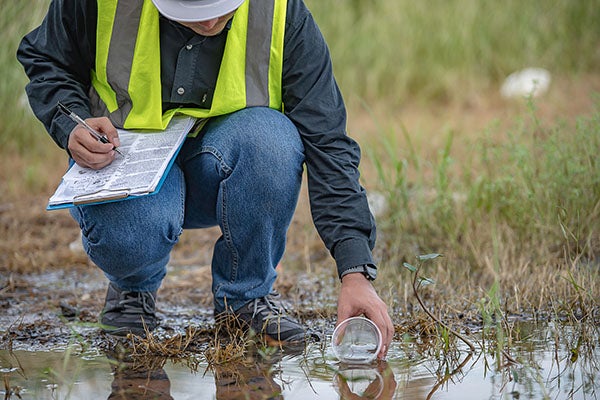
WHY ENVIRONMENTAL SCIENCE? Environmental scientists and specialists use their knowledge of the natural sciences to protect the environment and human health. They may clean up polluted areas, advise policymakers, or work with industry to reduce waste. While some environmental scientists and specialists work in offices and laboratories, others may spend time in the field gathering…
-
Conservation
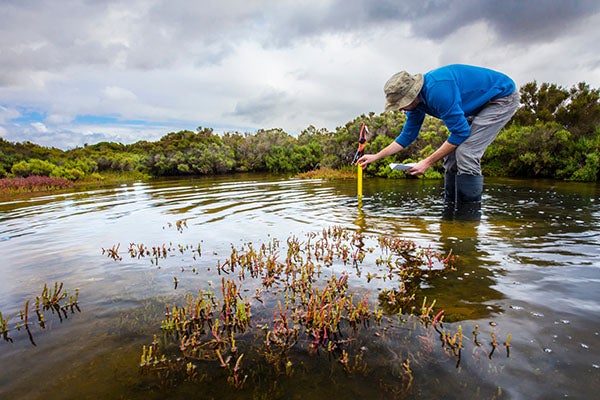
WHY CONSERVATION? Those who are interested in protecting the natural resources that we rely on for food and fresh water may want to consider a career in conservation. With a conservation oriented career you may assist in the development, maintenance, or protection of areas such as forests, forested areas, woodlands, wetlands, and rangelands. MCC can…
-
Chemistry
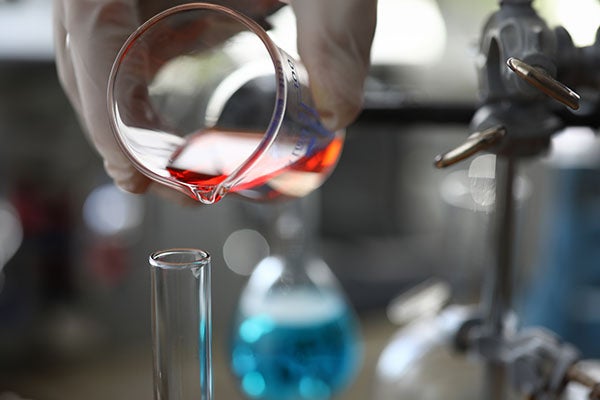
WHY CHEMISTRY? Chemistry is the study of matter and energy and the interaction between them. There are many reasons to study chemistry, even if you aren’t pursuing a career in science. Chemistry is everywhere in the world around you! It’s in the food you eat, clothes you wear, water you drink, medicines, air, cleaners… you…
-
Biology
-
Astronomy

WHY ASTRONOMY? This course will help meet science requirements for a college degree. For a person majoring in Astronomy, they will be well equipped to move into a junior level course at transfer institution. The students will learn to identify the contents of the known universe and their currently accepted place in it. Their knowledge…